Clicky

Kratom and Inflammation: Exploring Its Potential for Joint & Muscle Relief

Disclosure: This article may contain affiliate links. If you click a link and make a purchase, we may receive a commission at no additional cost to you. All opinions remain our own.

Inflammation is a common issue affecting athletes, active individuals, and those managing chronic pain conditions. Whether caused by intense workouts, injuries, or degenerative conditions such as arthritis, inflammation can hinder mobility, recovery, and overall well-being. Kratom (Mitragyna speciosa), a plant native to Southeast Asia, has been traditionally used for pain relief and anti-inflammatory properties. Now, researchers and wellness practitioners are exploring whether kratom can serve as a natural alternative for joint and muscle relief.

At The Nerve & Joint Pain Desk, we specialize in pain management and holistic wellness approaches. This article explores how kratom may support inflammation reduction, joint health, and muscle recovery, while addressing potential risks and best practices for responsible use.

Quick Summary: Kratom for Inflammation & Recovery

What It Is: A Southeast Asian botanical plant (Mitragyna speciosa) traditionally used for pain relief and anti-inflammatory support.
Key Ingredients: Mitragynine, 7-hydroxymitragynine, and other alkaloids that interact with opioid, adrenergic, and anti-inflammatory pathways.
Recommended Dosage: Low doses (1-5g) for energy; moderate doses (5-10g) for pain and inflammation; high doses (>10g) for severe pain with sedative effects.
Best For: Athletes, active individuals, and those managing chronic pain, arthritis, muscle soreness, or post-workout inflammation.
Key Benefits: Natural pain relief, reduced inflammation and swelling, improved mobility and flexibility, and better sleep quality for recovery.
Price: Not disclosed in article.
Guarantee: Not disclosed in article.
Not Recommended For: Not specified; consult healthcare providers regarding potential interactions and individual contraindications.

In This Article

How Kratom Interacts with the Body’s Inflammatory Response

Kratom contains mitragynine and 7-hydroxymitragynine, active alkaloids that interact with opioid, adrenergic, and anti-inflammatory pathways in the body. These compounds have been found to influence pain perception, immune response, and inflammation levels.

Kratom’s effects vary based on dosage:

  • Low doses (1-5g): Acts as a mild stimulant, helping with energy and focus without sedative effects.
  • Moderate doses (5-10g): Offers pain relief and relaxation, ideal for post-exercise recovery or chronic inflammation management.
  • High doses (>10g): Has sedative and opioid-like effects, which may help with severe pain but could impair daytime function.

Potential Benefits of Kratom for Inflammation and Pain Management

1. Natural Pain Relief for Joint and Muscle Discomfort

Kratom’s analgesic properties may provide relief for individuals experiencing:

  • Osteoarthritis and rheumatoid arthritis pain.
  • Muscle soreness and post-workout inflammation.
  • Lower back pain and joint stiffness.

A 2020 study from Johns Hopkins University found that 86% of kratom users experienced effective pain relief, making it a potential alternative for managing chronic and exercise-induced inflammation.

2. Reduced Inflammation and Enhanced Recovery

Preliminary research suggests that kratom may have anti-inflammatory properties, potentially helping with:

  • Reducing swelling in injured joints and muscles.
  • Lowering oxidative stress that contributes to chronic inflammation.
  • Supporting faster tissue healing after strenuous activity.

While more studies are needed, many individuals using kratom for recovery report improvements in mobility and reduced post-exercise soreness.

3. Increased Mobility and Flexibility

Chronic inflammation can lead to stiffness and reduced range of motion. By alleviating joint discomfort and muscle tightness, kratom may support:

  • Greater flexibility in joints and tendons.
  • Improved mobility for individuals with chronic pain conditions.
  • Better post-workout muscle relaxation to prevent stiffness.

4. Stress Reduction and Better Sleep for Recovery

Pain and inflammation often lead to poor sleep quality, which can slow down muscle repair and healing. Kratom’s mood-enhancing and mild sedative effects may help:

  • Promote restful sleep and relaxation.
  • Reduce stress-related inflammation.
  • Support an overall sense of well-being.

Best Practices for Using Kratom for Inflammation Relief

1. Choosing the Right Kratom Strain

Different kratom strains have varying effects on pain relief and inflammation:

  • Red vein kratom: Best for pain relief, muscle relaxation, and recovery.
  • Green vein kratom: Balanced effects for moderate inflammation reduction and energy support.
  • White vein kratom: More energizing, less sedative, ideal for daytime pain relief.

2. Timing and Dosage Recommendations

To optimize kratom’s anti-inflammatory benefits:

  • For morning pain relief: Take 1-3 grams to ease stiffness and improve mobility.
  • For post-exercise recovery: Take 3-5 grams after training to reduce muscle soreness.
  • For chronic inflammation management: Use moderate doses (5-7g) as needed, ensuring proper cycling to prevent tolerance buildup.

3. Hydration and Nutritional Support

Kratom may contribute to mild dehydration, so maintaining proper hydration is crucial. Consider:

  • Drinking plenty of water throughout the day.
  • Incorporating anti-inflammatory foods such as turmeric, ginger, and omega-3-rich sources.
  • Using collagen or glucosamine supplements to support joint health.

Potential Risks and Safety Considerations

1. Risk of Tolerance and Dependency

Long-term kratom use may lead to tolerance buildup, requiring higher doses for the same effect. To prevent dependency:

  • Cycle usage (e.g., 5 days on, 2 days off).
  • Avoid daily high doses to maintain its effectiveness.

2. Quality Control and Contaminant Risks

Since kratom is not FDA-regulated, it is important to source products carefully:

  • Choose lab-tested kratom from reputable suppliers.
  • Avoid products with heavy metals, synthetic additives, or bacterial contamination.
  • Ensure proper labeling of strain type and alkaloid content.

3. Potential Side Effects

Some individuals may experience mild side effects such as:

  • Nausea or digestive discomfort.
  • Dizziness or drowsiness at higher doses.
  • Increased heart rate in sensitive individuals.

If any of these occur, adjusting dosage or strain selection can help mitigate side effects.

The Future of Kratom in Pain Management and Inflammation Relief

Kratom remains a promising but controversial natural remedy for inflammation. Future research should focus on:

  • Clinical trials examining kratom’s effects on arthritis, muscle recovery, and chronic pain.
  • Standardized dosing guidelines for safe and effective use.
  • Long-term impact on joint health and immune function.

Conclusion: Can Kratom Help with Joint and Muscle Inflammation?

Kratom has potential anti-inflammatory and pain-relieving properties, making it a compelling option for individuals managing joint discomfort, muscle soreness, and chronic inflammation. However, responsible use is essential.

At The Nerve & Joint Pain Desk, we believe in evidence-based pain management. Based on current findings:

  • Kratom may help reduce inflammation and muscle soreness when used properly.
  • Individuals should choose high-quality, lab-tested kratom and monitor dosage carefully.
  • Hydration, nutrition, and responsible cycling are key for optimal benefits.

Final Takeaway:

For those looking to support joint and muscle health naturally, kratom may serve as a complementary tool alongside physical therapy and holistic wellness strategies. However, consult a medical professional or physical therapist before incorporating it into your pain management routine.

Related: Is Kratom a Safer Alternative to Opioids for Pain Relief?

*These statements have not been evaluated by the Food and Drug Administration. This product is not intended to diagnose, treat, cure, or prevent any disease. Always consult with a qualified healthcare professional before starting any new supplement or health program, especially if you have existing medical conditions or take prescription medications.

Is Kratom a Safer Alternative to Opioids for Pain Relief? What You Need to Know

Disclosure: This article may contain affiliate links. If you click a link and make a purchase, we may receive a commission at no additional cost to you. All opinions remain our own.

Chronic pain is a widespread issue that affects millions of individuals, leading many to rely on opioids for relief. However, the long-term use of opioids comes with significant risks, including dependency, withdrawal, and reduced quality of life. As a result, many people are exploring natural alternatives to manage pain more safely. One such alternative that has gained attention is kratom, a botanical supplement derived from the Mitragyna speciosa tree, native to Southeast Asia.

At The Nerve & Joint Pain Desk, we take a holistic, patient-centered approach to pain management, integrating physical therapy, movement, and evidence-based wellness practices. This article explores whether kratom is a safe and effective alternative to opioids, discussing its potential benefits, risks, and best practices for pain relief.

Quick Summary: Kratom for Pain Relief

What It Is: A botanical supplement derived from the Mitragyna speciosa tree native to Southeast Asia, used for pain management and opioid withdrawal support.
Key Ingredients: Mitragynine, 7-hydroxymitragynine, and other alkaloid compounds that interact with opioid receptors.
Price: Not disclosed
Guarantee: Not disclosed
Best For: Individuals managing chronic pain, post-injury recovery, musculoskeletal conditions, and those seeking to transition away from prescription opioids.
Not Recommended For: Those with liver concerns, individuals prone to dependency, or those requiring high-dose pain management without medical supervision.

In This Article

Understanding Kratom: How Does It Work for Pain Relief?

Kratom contains two primary active compounds—mitragynine and 7-hydroxymitragynine—that interact with opioid receptors in the brain, producing effects that range from stimulant-like energy boosts to opioid-like pain relief.

  • At low doses, kratom acts as a stimulant, enhancing focus, energy, and alertness.
  • At higher doses, it exhibits sedative and analgesic properties, similar to opioids, providing relief from chronic pain, inflammation, and muscle soreness.

Because of these properties, kratom has gained popularity among individuals managing post-injury pain, musculoskeletal conditions, and recovery from surgeries. However, its safety profile and long-term impact on health remain topics of debate.

Kratom vs. Opioids: Which Is Safer for Pain Management?

1. Kratom as a Potential Harm Reduction Tool

One of the main reasons people turn to kratom is its potential to help with opioid withdrawal and dependence. A 2020 study from Johns Hopkins University reported that:

  • 87% of kratom users found relief from opioid withdrawal symptoms.
  • 80% reported reduced opioid cravings.
  • 86% found kratom effective for pain management.

This suggests that kratom may offer a safer alternative to prescription opioids, particularly for those looking to transition away from stronger narcotics. However, this does not mean kratom is entirely backed by a return policy.

2. The Risks of Kratom Use

Despite its potential benefits, kratom carries certain risks, especially when used improperly or in high doses. Some key concerns include:

  • Potential dependency – While not as addictive as opioids, kratom can lead to dependency with frequent use.
  • Withdrawal symptoms – Similar to caffeine withdrawal, some users experience fatigue, irritability, nausea, and anxiety.
  • Digestive issues – Kratom can cause constipation, dehydration, and nausea, especially when not taken with adequate hydration.
  • Liver toxicity concerns – High doses or long-term use may strain liver function, requiring more research to determine safety.

3. Kratom’s Impact on Physical Therapy & Rehabilitation

For individuals recovering from injuries, surgery, or chronic conditions, pain management is crucial to successful rehabilitation. Many physical therapists advocate for non-pharmacological pain relief methods, such as:

  • Manual therapy and soft tissue work to improve circulation and release tension.
  • Targeted movement therapy to strengthen muscles and stabilize joints.
  • Anti-inflammatory nutrition and supplements to support natural healing.

Kratom may serve as one component of a broader pain management strategy, but it should not replace professional rehabilitation, movement therapy, or clinically approved interventions.

Best Practices for Safe Kratom Use in Pain Management

If considering kratom for pain relief, it’s essential to follow best practices to reduce potential risks and maximize benefits.

1. Use in Moderation

  • Start with low doses (1-2 grams) to assess tolerance.
  • Avoid daily use to prevent dependency.
  • Cycle on and off kratom to maintain effectiveness without building tolerance.

2. Choose High-Quality, Lab-Tested Products

  • Select kratom from reputable sources that provide third-party lab testing.
  • Avoid kratom extracts and enhanced formulations, which are more likely to cause dependency.
  • Be cautious of adulterated products that may contain contaminants.

3. Stay Hydrated and Maintain a Balanced Diet

  • Kratom can cause mild dehydration, so drink plenty of water.
  • Pair with anti-inflammatory foods, such as turmeric, ginger, and omega-3-rich foods.
  • Supplement with magnesium to help counteract muscle tightness and potential kratom-related constipation.

4. Consult a Healthcare Professional

  • If you are managing chronic pain, post-surgical recovery, or physical therapy, speak with a pain management specialist or physical therapist before using kratom.
  • If combining kratom with other supplements or medications, ensure there are no potential interactions.

Kratom’s legal status varies across different states and countries. In the United States, kratom is regulated as a dietary supplement, meaning it is not subject to FDA approval.

  • Banned in: Alabama, Arkansas, Indiana, Rhode Island, Vermont, Wisconsin.
  • Regulated in: Arizona, Georgia, Nevada, Utah (quality control laws in place).
  • Unregulated in many states, which means product quality can vary widely.

Internationally, kratom is banned or heavily regulated in Australia, Sweden, Denmark, Japan, and Malaysia, while Thailand has recently legalized kratom for medical use.

The Future of Kratom in Pain Management

As research continues, kratom remains a controversial but promising option for those seeking natural pain relief. The medical and wellness communities continue to explore its role in integrative pain management strategies, and ongoing studies will determine:

  • The long-term safety and efficacy of kratom for pain relief.
  • Optimal dosages for pain management without dependency risks.
  • How kratom compares to FDA-approved alternatives like medical cannabis or CBD.

Conclusion: Should You Consider Kratom for Pain Relief?

Kratom is not a magic solution, but it may provide relief for individuals struggling with chronic pain, post-injury recovery, or opioid withdrawal. At The Nerve & Joint Pain Desk, we believe in personalized, evidence-based approaches to pain management, incorporating physical therapy, movement, and holistic wellness strategies.

Final Takeaway:

If considering kratom, educate yourself, prioritize safety, and consult with healthcare professionals to determine if it fits into your comprehensive pain management plan. Combining proper nutrition, movement therapy, and professional guidance remains the most effective way to achieve long-term pain relief and physical well-being.

Also Read: Understanding Kratom Veins for Pain Relief and Wellness

*These statements have not been evaluated by the Food and Drug Administration. This product is not intended to diagnose, treat, cure, or prevent any disease. Always consult with a qualified healthcare professional before starting any new supplement or health program, especially if you have existing medical conditions or take prescription medications.

BPC-157 for Nerve Pain: Evidence, Safety and Tendon Questions

“Can BPC-157 help my nerve pain?” There is no human nerve-pain or neuropathy trial in the records discussed here. BPC-157 has been studied in animals for pain and nerve injury, but animal findings cannot tell you that it will relieve nerve pain or repair a nerve in people. This page is general information to help you prepare for an injury or pain-care conversation.

Human nerve-pain trial None is listed in the FDA’s review of prior human BPC-157 experience.
Human tendon-healing study None in the records here.
Closest injury-related human record A small retrospective knee-pain chart review; it measured people’s reported pain, not tendon healing or structural repair.
FDA status BPC-157 is not a component of an FDA-approved drug, according to the FDA’s July 2026 briefing.
For competitive athletes WADA lists BPC-157 as prohibited at all times; NCAA lists it among banned peptide hormones, growth factors, related substances and mimetics.

What does the human research actually cover?

The human record is small and covers different questions from nerve pain. The FDA’s July 2026 briefing describes earlier enema studies in healthy volunteers and people with ulcerative colitis, a 17-person knee-pain chart review, a 12-woman bladder-pain report, and a two-person intravenous pilot.

That matters because a study in one body area, with one preparation and one procedure, does not answer a nerve-pain question. The FDA briefing says it did not identify clinical studies in people with tendonitis when reviewing proposed BPC-157 uses.

For a clearer way to separate a change in symptoms from recovery itself, see pain versus recovery.

Did any human study measure tendon healing?

No human tendon-healing outcome appears in these records. The closest injury-related human record is a 2021 retrospective knee-pain chart review. Sixteen people were reached for follow-up after knee injections: 12 received BPC-157 alone and four received BPC-157 with thymosin-beta-4.

The study asked participants about pain before the injection, how long relief lasted, and how much relief they felt. It did not use measures of function, stiffness, daily activities, quality of life, or MRI evidence of tissue change. It included no comparison group, so it cannot show how outcomes compared with no injection, rehabilitation, or another approach. The report also does not describe a rehabilitation co-intervention.

So, reported pain relief and structural healing are different outcomes. A pain score can improve without showing that a tendon, muscle, cartilage, or nerve has changed structurally. If your concern is an injury, the useful question is what assessment or follow-up would measure the structure and your function.

What about the BPC-157 studies people share online?

A 2025 pilot followed two adults who had previously received BPC-157. It recorded short-term vital signs, blood work, and reported side effects after intravenous infusions. Both participants reported no side effects during that short observation, but two people without a comparison group cannot answer whether BPC-157 is safe for broader use or whether it helps an injury.

A 2024 report involved 12 women receiving a bladder procedure for interstitial cystitis. It was a single-arm report in a different condition, not a nerve-pain, tendon, muscle, or joint-healing trial. The FDA also describes a sparse 2005 meeting abstract of a placebo-controlled ulcerative-colitis enema study. That study does not answer whether BPC-157 helps tendon injury or neuropathy.

The FDA briefing includes animal and laboratory material, including work related to nerve injury and pain. That is early research, not a human result.

Is BPC-157 approved or considered safe?

BPC-157 is not part of an FDA-approved drug, according to the FDA’s July 2026 briefing. The July 23–24, 2026 Pharmacy Compounding Advisory Committee meeting was an advisory process; the briefing says FDA would not make a final determination until that process and further review were complete.

On FDA’s bulk-substance safety-risk page, BPC-157 appears in the list of nominations that were withdrawn after being in category 2 of the interim compounding policies, not in the current category 2 table. A withdrawn nomination is not an approval, and FDA’s briefing says it is evaluating BPC-157 on its own initiative. The page describes limited safety information for the proposed routes, peptide-related impurities, and the potential for immune reactions. Its briefing also notes three adverse-event reports associated with injectable BPC-157, including an injection-site reaction, shortness of breath, and skin or gum darkening; the reports cannot establish that BPC-157 caused those events because important details and other products were involved.

If you are considering any peptide after an injury, bring the exact product name, ingredient form, your medications and supplements, the injury timeline, prior imaging or reports, and a short note about what movements or tasks are difficult. A clinician can use that information to discuss the cause of the pain and what follow-up would be useful.

What should athletes and service members know?

The 2026 WADA Prohibited List names BPC-157 under non-approved substances and says it is prohibited at all times, in and out of competition. The NCAA banned-substances policy bans the class of peptide hormones, growth factors, related substances and mimetics, and says student-athletes should check products with their athletics staff before use.

For service members, the Department of Defense’s OPSS database says prohibited ingredients and substances should be checked by exact ingredient name, not brand name. These rules are separate from questions about pain, injury recovery, or medical care.

What is the most useful next step for nerve pain or an injury?

There is not one “best” peptide, vitamin, supplement, or strongest medicine for every kind of nerve pain. The right next question depends on what is causing your symptoms. A symptom description alone cannot tell you what is causing the pain.

Use a simple record before your appointment: when symptoms began, where they travel, what brings them on, what eases them, any injury or new activity, and whether sleep, walking, gripping, or sitting has changed. The guide to joint pain versus nerve pain can help you put those observations into words. If you are weighing a pain plan, working with pain offers practical preparation ideas.

Before you decide

  • Ask what diagnosis or injury pattern is being considered and what would confirm it.
  • Ask which outcome is being followed: pain, function, imaging, strength, sensation, or something else.
  • Bring every medicine and supplement you use, including any product advertised for recovery.
  • If you compete, check your sport organization’s current rules before using any substance.

By The Nerve & Joint Pain Desk Editorial Team

This article is for general information purposes only and does not constitute medical advice. Consult your doctor or qualified healthcare provider before making changes to your health routine.

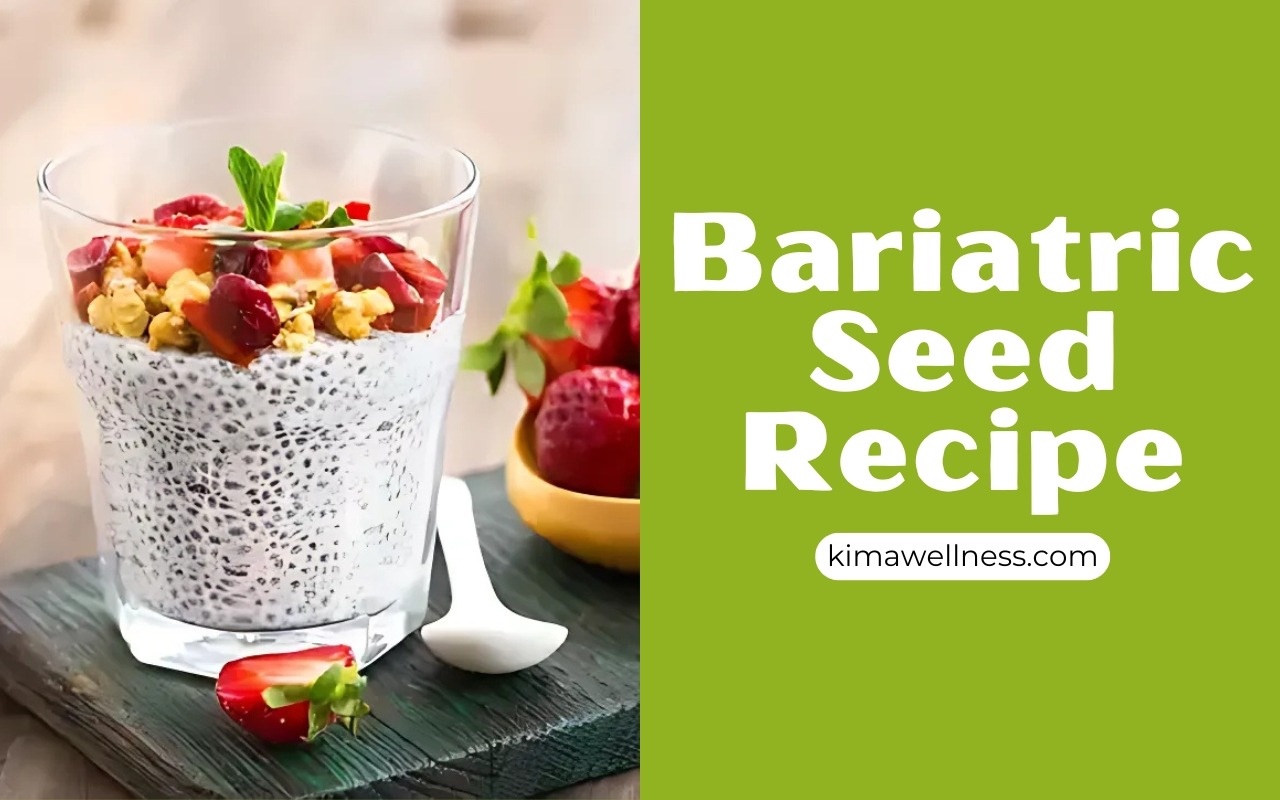
Bariatric Seeds Recipe for Weight Loss & Pain Relief: A Holistic Approach to Wellness

The information in this article is based on published nutritional research, peer-reviewed studies, and data from the National Institutes of Health (NIH) Office of Dietary Supplements. Individual results may vary, and these statements have not been evaluated by the FDA.

Disclosure: This article may contain affiliate links. If you click a link and make a purchase, we may receive a commission at no additional cost to you. All opinions remain our own.

Quick Summary: Bariatric Seeds Recipe for Weight Loss & Pain Relief

What It Is: A nutrient-dense seed mix recipe designed to reduce inflammation, support sustainable weight loss, and promote pain relief through whole-food nutrition.
Key Ingredients: Pumpkin seeds, sunflower seeds, chia seeds, flaxseeds, turmeric, olive oil, and nutritional yeast.
Price: Not disclosed
Guarantee: Not disclosed
Best For: Individuals managing chronic pain, recovering from injuries, following bariatric weight loss plans, or seeking natural anti-inflammatory support.
Not Recommended For: Not disclosed

At The Nerve & Joint Pain Desk, we take a holistic, evidence-based approach to pain management, weight loss, and overall well-being. Proper nutrition plays a vital role in reducing inflammation, managing chronic pain, and supporting sustainable weight loss. This bariatric seed recipe is designed to nourish the body with anti-inflammatory, nutrient-dense foods that promote joint health, muscle recovery, and digestive balance—all essential components of a pain-free, active lifestyle.

Why This Recipe Supports Pain Relief & Weight Management

Weight loss and pain relief go hand in hand. Carrying excess weight can strain joints, muscles, and connective tissues, leading to chronic pain and limited mobility. This science-backed seed mix offers multiple benefits for those seeking natural pain relief and metabolic support:

  • Rich in Anti-Inflammatory Fats – Omega-3s and monounsaturated fats help reduce joint pain, stiffness, and muscle soreness.
  • High in Plant-Based Protein – Supports muscle recovery and preservation, especially for those managing post-injury rehabilitation or chronic pain conditions.
  • Loaded with Fiber for Digestive Health – Aids in gut function and reduces bloating, which can contribute to systemic inflammation and discomfort.
  • Low in Carbohydrates & Blood Sugar-Stabilizing – Prevents spikes in insulin that can contribute to inflammation and metabolic stress.

Nutrient-Rich Ingredients for Pain Management & Wellness

This therapeutic seed mix is packed with anti-inflammatory compounds, essential nutrients, and digestive-supporting elements, making it ideal for individuals managing chronic pain, recovering from injuries, or following a bariatric weight loss plan.

Ingredients:

  • 1/2 cup pumpkin seeds – A magnesium and zinc powerhouse, critical for muscle relaxation and reducing muscle cramps.
  • 1/2 cup sunflower seeds – High in vitamin E, supporting joint lubrication and connective tissue health.
  • 2 tablespoons chia seeds – A top source of omega-3 fatty acids, which reduce inflammation and promote joint mobility.
  • 2 tablespoons flaxseeds (ground for better absorption) – Contains lignans and essential fatty acids, beneficial for reducing arthritis-related pain.
  • 1/2 teaspoon sea salt – A natural electrolyte balancer that prevents muscle cramping and supports nerve function.
  • 1 teaspoon turmeric powder – A clinically studied anti-inflammatory compound, shown to reduce joint pain and stiffness.
  • 1 teaspoon smoked paprika (optional) – Contains capsaicin, a compound known to support pain relief and circulation.
  • 1 tablespoon olive oil or avocado oil – Provides monounsaturated fats that enhance nutrient absorption and help reduce joint inflammation.
  • 1 tablespoon nutritional yeast – A B-vitamin-rich superfood, essential for nerve function, energy production, and muscle relaxation.

How to Prepare This Therapeutic Seed Mix

This easy-to-make recipe ensures that you always have a nutrient-packed, anti-inflammatory snack to support pain management and healthy weight maintenance.

Step 1: Preheat the Oven for Gentle Roasting

Set the oven to 325°F (163°C) and line a baking sheet with parchment paper. Roasting at a low temperature preserves the healthy oils in the seeds and enhances digestibility.

Step 2: Blend for Even Nutrient Distribution

In a bowl, mix all seeds, turmeric, smoked paprika, and olive oil. Toss well to ensure the anti-inflammatory spices and healthy fats are evenly distributed.

Step 3: Bake for Nutrient Activation

Spread the mixture onto a baking sheet and bake for 12-15 minutes, stirring halfway to ensure even roasting. This helps activate enzymes that improve nutrient absorption while maintaining the anti-inflammatory properties of the ingredients.

Step 4: Cool, Store & Use as Needed

Allow the seed mix to cool completely before storing it in an airtight container. Store at room temperature for up to two weeks, ensuring you have a go-to snack that supports pain relief and metabolic health.

How to Incorporate This Recipe Into a Holistic Pain-Relief Plan

This versatile, nutrient-dense seed mix is easy to integrate into daily routines for those managing chronic pain, weight loss, or recovery from physical therapy:

  • As a Standalone Snack: Provides steady energy and essential nutrients without inflammatory ingredients.
  • As a Topping for Meals: Sprinkle over soups, salads, or roasted vegetables for added anti-inflammatory benefits.
  • Blended into Smoothies: Enhances protein shakes or green smoothies with extra fiber and joint-supporting nutrients.
  • Pre- or Post-Workout Recovery Fuel: Offers slow-burning energy for endurance and faster muscle repair after activity.

The Science-Backed Benefits of This Wellness-Focused Seed Mix

This therapeutic seed mix aligns with current research in pain management, digestive health, and sustainable weight loss:

  • Supports Joint & Muscle Recovery – Omega-3s and antioxidants help reduce inflammation and support tissue repair.
  • Enhances Digestive Function – Rich in prebiotics and fiber, promoting a healthy gut microbiome and reducing bloating.
  • Regulates Blood Sugar & Reduces Cravings – A low-glycemic alternative to processed snacks, stabilizing energy levels throughout the day.
  • Provides Essential Micronutrients for Pain Management – Supplies magnesium, B vitamins, and vitamin E, all known to reduce chronic pain symptoms.

Final Thoughts: A Holistic Approach to Pain Management & Weight Loss

For individuals seeking natural pain relief and sustainable weight management, this bariatric seed recipe offers a nutrient-dense, anti-inflammatory solution. Unlike processed protein bars or artificial supplements, this whole-food blend of superfoods provides essential nutrients to support long-term health and vitality.

At The Nerve & Joint Pain Desk, we advocate for natural, science-backed approaches to pain relief and overall wellness. Whether you are recovering from an injury, managing chronic pain, or seeking a balanced way to lose weight, this anti-inflammatory, therapeutic seed mix is an easy, effective addition to your holistic health plan.

Try this wellness-boosting seed mix today and take a step toward pain-free movement, balanced nutrition, and optimal health! For more physical therapy-approved nutrition tips and pain management strategies, visit The Nerve & Joint Pain Desk.

Related Articles

*These statements have not been evaluated by the Food and Drug Administration. This product is not intended to diagnose, treat, cure, or prevent any disease. Always consult with a qualified healthcare professional before starting any new supplement or health program, especially if you have existing medical conditions or take prescription medications.

This article is for general information purposes only and does not constitute medical advice. Consult your doctor or qualified healthcare provider before making changes to your health routine.