Disclosure: This article may contain affiliate links. If you click a link and make a purchase, we may receive a commission at no additional cost to you. All opinions remain our own.
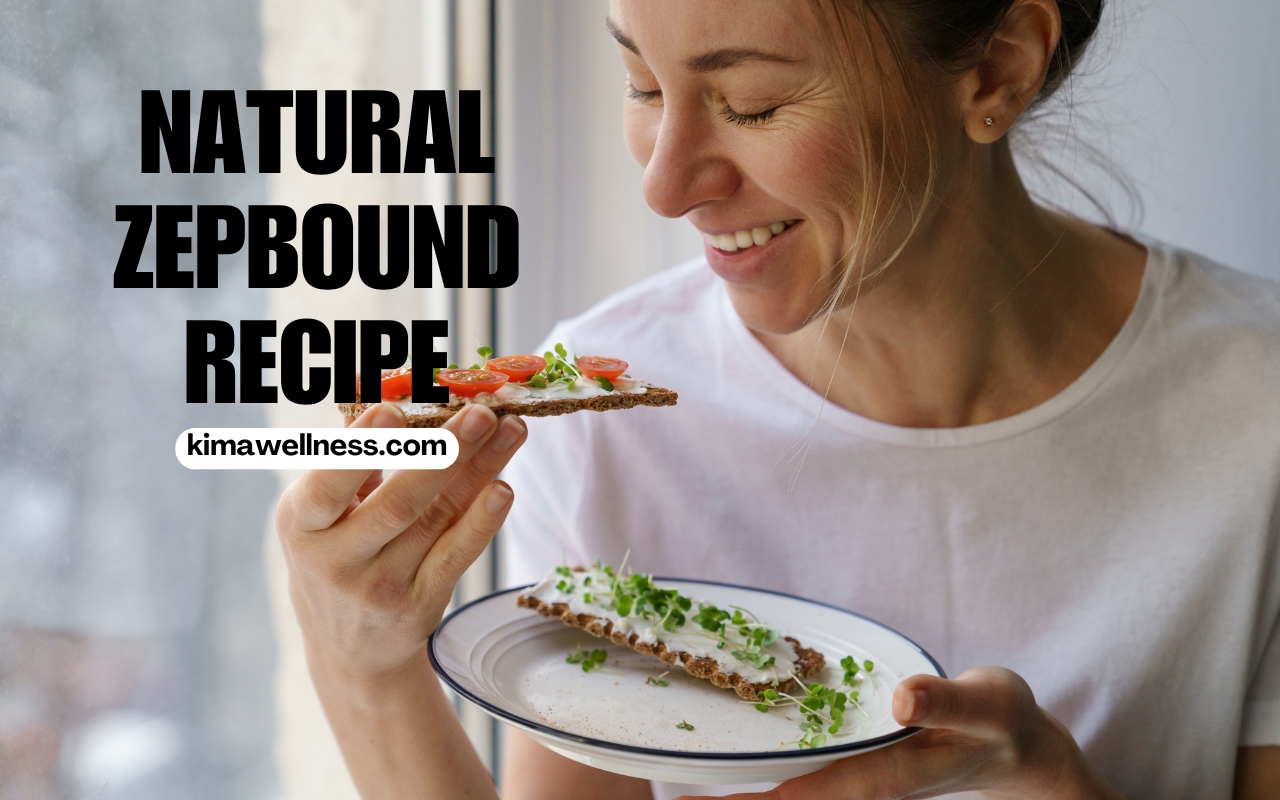
At The Nerve & Joint Pain Desk, we empower you with an integrative approach to pain management, mobility, and wellness. We understand that excess weight and inflammation can be challenging, but with the right knowledge and tools, you can take control of your health. While pharmaceutical interventions like Zepbound target weight loss through appetite regulation, many individuals seek natural, sustainable alternatives that support both metabolic health and pain relief.
One such transformative approach is the Natural Zepbound Recipe, a powerful blend of anti-inflammatory, metabolism-boosting ingredients that can significantly improve your life. This guide explores how this evidence-based recipe can be a key tool in managing pain, improving mobility, and promoting a healthier lifestyle, giving you hope for a brighter, healthier future.
The Link Between Weight, Inflammation, and Pain
Carrying excess weight puts significant strain on the musculoskeletal system, leading to:
- Joint pain and stiffness (particularly in weight-bearing joints like the knees, hips, and lower back).
- Increased inflammation, which exacerbates conditions like arthritis and fibromyalgia.
- Reduced circulation and mobility, slowing the body’s natural healing processes.
- Higher risk of chronic pain syndromes due to systemic inflammation and oxidative stress.
This recipe, which incorporates natural, anti-inflammatory ingredients, helps manage pain by reducing inflammation, supporting weight loss, and enhancing metabolic function.
The Natural Zepbound Recipe: Ingredients for Pain Relief and Weight Management
Each ingredient in this recipe has been carefully selected based on its scientifically proven role in reducing inflammation, supporting weight loss, and improving joint health. This scientific basis should give you confidence in the effectiveness of the Natural Zepbound Recipe.
Key Ingredients & Their Therapeutic Benefits
- Green Tea (1 cup, brewed): Rich in polyphenols (EGCG), which have been shown to reduce inflammatory markers. Supports fat oxidation and metabolism, aiding in weight loss without muscle loss.
- Apple Cider Vinegar (1 tablespoon): Contains acetic acid, which helps stabilize blood sugar and reduce fat accumulation. Aids digestion, promoting gut health and reducing systemic inflammation.
- Lemon Juice (1 tablespoon): High in vitamin C, an essential nutrient for collagen synthesis and joint health. Helps alkalize the body, reducing inflammation and supporting cellular recovery.
- Ginger (1 teaspoon, freshly grated): Contains gingerol, a potent anti-inflammatory compound that reduces pain and stiffness. Supports circulation and digestion, improving nutrient absorption.
- Cayenne Pepper (A pinch): Provides capsaicin, a well-researched natural pain reliever that blocks pain signals and reduces inflammation. Supports thermogenesis, enhancing fat-burning and metabolic function.
- Raw Honey or Stevia (Optional): A natural sweetener without spiking blood sugar levels. Contains antioxidants that support immune function and cellular repair.
How to Make the Natural Zepbound Recipe
- Brew Green Tea: Steep for 3–5 minutes to preserve catechin content.
- Combine Ingredients: Mix green tea, apple cider vinegar, lemon juice, and ginger in a glass.
- Add Anti-Inflammatory Support: Stir in a pinch of cayenne pepper for pain relief.
- Sweeten If Desired: Use raw honey or stevia to balance flavors.
- Drink at the Right Time: Consume in the morning or before meals to maximize pain relief, digestion, and weight management benefits.
Foods and Supplements That May Boost GLP-1
Certain foods and supplements have been shown to naturally enhance GLP-1 secretion, supporting metabolic function and weight management. GLP-1, or glucagon-like peptide-1, is a hormone that plays a crucial role in regulating blood sugar levels and appetite. It stimulates insulin secretion, reduces glucagon production, and slows down gastric emptying, all of which contribute to its weight management benefits.
1. Yerba Mate
Yerba mate, a South American herbal tea, contains bioactive compounds that can enhance GLP-1 levels. Research suggests it may help increase satiety, boost energy expenditure, and improve insulin sensitivity.
2. Curcumin (Turmeric)
Curcumin, the active compound in turmeric, is known for its anti-inflammatory and metabolic benefits. Studies indicate curcumin may increase GLP-1 secretion, support insulin regulation, and reduce obesity-related inflammation.
3. Ginseng
Ginseng, a well-known adaptogenic herb, has been linked to improved glucose metabolism and weight control. It enhances GLP-1 activity, leading to reduced appetite and better blood sugar management.
4. Momordica charantia (Bitter Gourd) Extract
Bitter gourd extract is known for its hypoglycemic effects. It helps regulate blood sugar levels and has been shown to increase GLP-1 secretion, promoting appetite control and improving metabolic health.
Also Read: Yerba Mate Recipe for Weight Loss
Focus on Gut Health
A healthy gut microbiome plays a critical role in metabolic health and the effectiveness of GLP-1 secretion. Supporting gut health through probiotic-rich foods enhances digestion and nutrient absorption while promoting metabolic balance.
Probiotic-Rich Foods for Gut Health
- Yogurt (with live cultures) – Provides beneficial probiotics that support gut bacteria linked to weight management.
- Kefir (fermented dairy drink) – A rich source of probiotics and bioactive peptides that improve digestion and insulin sensitivity.
- Sauerkraut (fermented cabbage) – Contains lactobacillus bacteria that aid gut health and metabolism.
- Kimchi (spicy fermented vegetables) – Packed with probiotics and antioxidants that support weight control and inflammation reduction.
Lifestyle Recommendations
While diet plays a significant role in metabolic health, lifestyle choices are equally crucial in optimizing GLP-1 activity and weight management.
1. Regular Exercise
Engaging in both cardiovascular exercise and resistance training helps enhance GLP-1 secretion. Studies show that high-intensity interval training (HIIT) and strength training improve insulin sensitivity and metabolic rate.
2. Stress Management
Chronic stress leads to elevated cortisol levels, which can disrupt metabolic processes and appetite regulation. Mindfulness practices such as meditation, deep breathing, and yoga can help lower stress and enhance metabolic health.
3. Adequate Sleep
Quality sleep is essential for hormonal balance, including GLP-1 secretion. Poor sleep is associated with increased hunger hormones and insulin resistance, making weight management more challenging. Aim for 7-9 hours of uninterrupted sleep each night.
A Holistic Approach to Metabolic Health and Pain-Free Living: Prime Biome and Lipozem
At The Nerve & Joint Pain Desk, we believe that optimal health is about more than just weight management—it’s about creating balance in the body to support pain-free movement, sustained energy, and long-term wellness. Whether you’re dealing with inflammation, metabolic sluggishness, or difficulty maintaining a healthy weight, targeted nutrition and gut health play a crucial role. Prime Biome and Lipozem are designed to help improve digestion, support metabolism, and enhance overall well-being so you can move and feel your best every day.
Prime Biome: Restoring Gut Balance for Pain Relief and Metabolic Health

Scientific research has shown that an imbalanced gut microbiome can contribute to chronic inflammation, poor digestion, and metabolic inefficiencies—all of which can impact joint and muscle health. Prime Biome is a clinically formulated blue antioxidant supplement designed to restore gut balance, improve nutrient absorption, and enhance metabolic function, reducing systemic inflammation that may contribute to pain and stiffness.
Key Benefits of Prime Biome
- Restores gut microbiome balance, improving digestion and nutrient absorption.
- Supports GLP-1 activation, a metabolic pathway linked to better energy regulation.
- Reduces systemic inflammation, which can alleviate joint stiffness and discomfort.
- Enhances hydration and cellular repair for improved mobility and recovery.
- Minimizes bloating and digestive distress, supporting overall gut health.
The Science Behind Prime Biome and Its Role in Pain Management
A growing body of research supports the link between gut health and inflammation, a key driver of pain and metabolic dysfunction. Prime Biome features Egyptian Blue Root, a powerful botanical antioxidant that targets oxidative stress and inflammation at the cellular level, helping to improve digestion, support energy production, and reduce discomfort associated with poor gut health.
How to Use Prime Biome for Optimal Wellness
- Take one gummy daily to support gut health, metabolism, and overall recovery.
- Stay consistent—most individuals notice improved digestion, reduced bloating, and better mobility within 3-4 weeks.
- Pair with an anti-inflammatory diet and gentle movement routines for best results.
Lipozem: Metabolic Support for Energy, Recovery, and Restorative Sleep
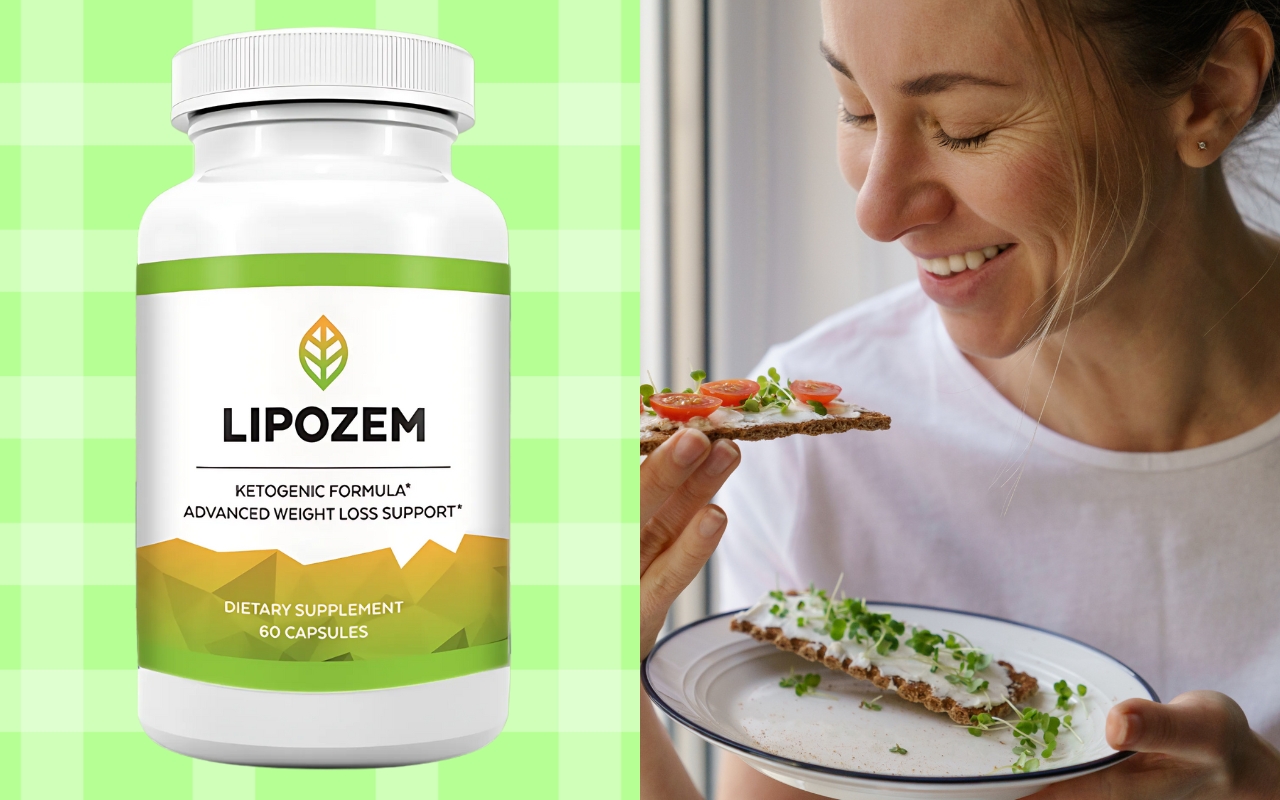
For those struggling with fatigue, weight fluctuations, or poor recovery, Lipozem offers a research-backed solution to enhance fat metabolism, reduce inflammation, and support deep, restorative sleep—an essential factor in pain management and overall wellness.
Key Ingredients in Lipozem and Their Benefits for Pain & Wellness
- EGCG from Green Tea – Clinically studied for its ability to boost metabolism and support energy levels.
- Turmeric Extract – A potent anti-inflammatory that helps reduce joint pain and stiffness.
- Cayenne Pepper – Stimulates circulation and thermogenesis, supporting both metabolism and pain relief.
- Cinnamon & Ginger – Improve digestion and stabilize blood sugar, reducing energy crashes.
- Flaxseed – Supports gut health, enhances satiety, and aids in digestive balance.
Why Lipozem is a Holistic Solution for Pain-Free Metabolic Support
Pain management and metabolic health go hand in hand. Lipozem works by optimizing energy metabolism, reducing systemic inflammation, and promoting quality sleep—essential for muscle recovery, joint health, and overall vitality. Unlike home-prepared remedies that require daily preparation, Lipozem provides a simple, research-backed solution in a convenient supplement form.
Prime Biome & Lipozem vs. Traditional Metabolic Boosters
While home remedies such as the Natural Zepbound Recipe may provide short-term benefits, Prime Biome and Lipozem offer a more structured and sustainable solution:
- No complicated prep—just take a daily supplement.
- Clinically researched ingredients—targeted for inflammation, metabolism, and energy.
- Comprehensive approach—supports gut health, pain reduction, and long-term wellness.
Building a Wellness Routine That Supports Pain-Free Living
If you’re looking to move better, feel stronger, and optimize your metabolic function, Prime Biome and Lipozem provide the foundational support your body needs. These physician-recommended formulas are designed to work alongside your movement, nutrition, and recovery routines to create a sustainable path to wellness.
Take the Next Step in Your Wellness Journey
- Prime Biome – Improve gut health, reduce inflammation, and enhance metabolic balance.
- Lipozem – Support fat metabolism, recovery, and sleep for overall wellness.
With a focus on long-term health and functional movement, these supplements offer a pain management-friendly approach to metabolic health. Click here to learn more about Prime Biome and take control of your health today at The Nerve & Joint Pain Desk.
Related: Turmeric for Weight Loss Recipe Hack
The information in this article is based on published nutritional research, peer-reviewed studies, and data from the National Institutes of Health (NIH) Office of Dietary Supplements. Individual results may vary, and these statements have not been evaluated by the FDA.
*These statements have not been evaluated by the Food and Drug Administration. This product is not intended to diagnose, treat, cure, or prevent any disease. Always consult with a qualified healthcare professional before starting any new supplement or health program, especially if you have existing medical conditions or take prescription medications.